Top 5 Emerging Real Estate Neighborhoods in Tel Aviv
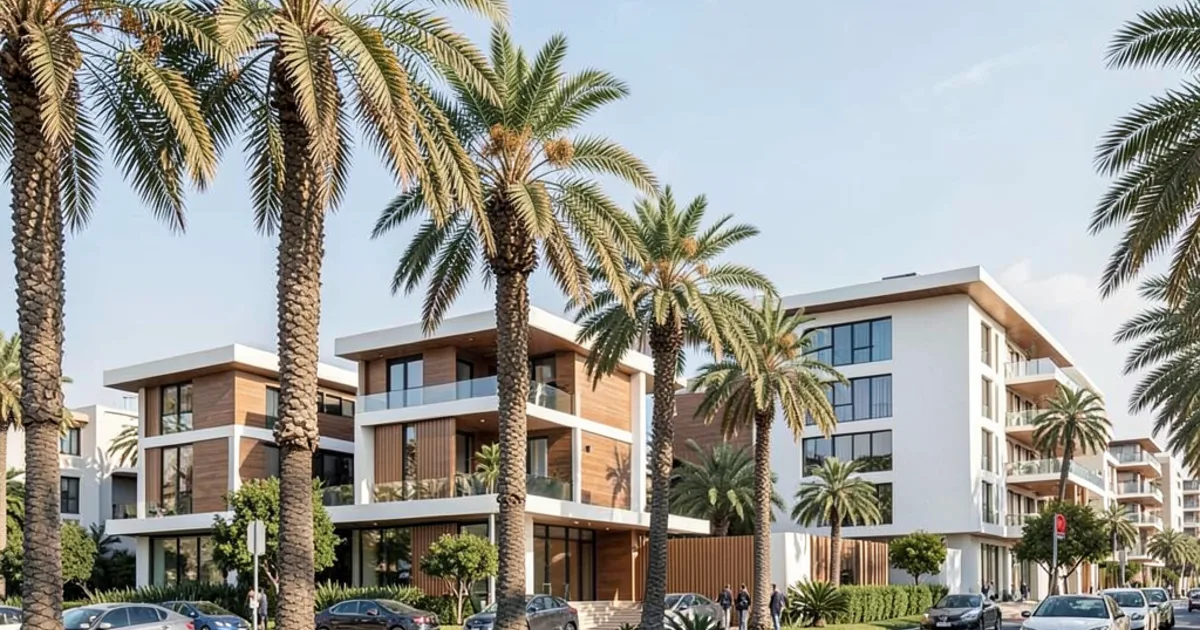
Tel Aviv remains the beating heart of the Israeli economy and its most sought-after real estate market. While the central districts are well-established, savvy investors and residents are increasingly looking toward neighborhoods undergoing significant transformation. This guide explores the emerging pockets of growth that offer unique opportunities for capital appreciation and lifestyle enhancement.
- The Evolution of the Tel Aviv Real Estate Market
- Identifying High-Potential Emerging Neighborhoods
- Florentin: The Creative and Cultural Epicenter
- Shapira: The Frontier of Urban Renewal
- Jaffa: Blending Heritage with Modern Luxury
- Neve Tzedek: The Boutique Investment Standard
- The Northern Expansion: Stability and Growth
- Navigating the Legal Framework: Tabu and Contracts
- Understanding the Financial Landscape: Taxes and Mortgages
- The Impact of Pinui Binui and TAMA 38
- Practical Steps for International Buyers
- Mitigating Risks in a Dynamic Market
The Evolution of the Tel Aviv Real Estate Market
The real estate landscape in Tel Aviv is characterized by a constant tension between extreme scarcity and relentless demand. As the city serves as a global hub for technology and finance, the influx of high-net-worth individuals and young professionals creates a persistent upward pressure on property values. This dynamic ensures that even established areas remain highly liquid, yet it also forces investors to look toward the periphery for better entry points.
Historically, the focus was almost exclusively on the affluent northern districts or the beachfront luxury high-rises. However, a significant shift is occurring as urban density increases and the city's boundaries feel more fluid. This evolution is driven by a combination of infrastructure improvements, changing lifestyle preferences, and the massive scale of urban renewal projects currently underway across the municipality.
Understanding this evolution requires a nuanced view of how the city grows. It is not merely about building new towers, but about the revitalization of older, neglected zones. As these areas gain better connectivity and improved amenities, they transition from being 'affordable alternatives' to becoming highly desirable lifestyle destinations, often yielding significant capital gains for those who enter early.
- High demand driven by the technology sector.
- Scarcity of available land within the city center.
- Shift from traditional luxury to lifestyle-oriented urbanism.
- Increased connectivity through public transport improvements.
Identifying High-Potential Emerging Neighborhoods
Identifying an emerging neighborhood requires more than just looking at current prices; it requires an analysis of future urban planning. Investors must look for signs of 'gentrification in progress,' such as new cafes opening in industrial zones or the announcement of large-scale municipal infrastructure projects. These indicators often precede a significant jump in property valuations.
Another critical factor is the proximity to the 'center of gravity' of the city. Neighborhoods that are within walking or short transit distance to the business districts but currently offer lower price points represent the most classic investment opportunity. The goal is to find areas where the lifestyle is rapidly improving but the market has not yet fully priced in the change.
It is also essential to consider the demographic shift. An emerging neighborhood often attracts a specific type of resident, typically young professionals, artists, or tech workers, who bring new energy and spending power to the area. This demographic shift is a leading indicator of long-term value retention and growth.
- Look for municipal infrastructure announcements.
- Monitor the influx of new commercial and hospitality businesses.
- Analyze demographic shifts and lifestyle changes.
- Evaluate proximity to major employment hubs.
Florentin: The Creative and Cultural Epicenter
Florentin has long been recognized as the bohemian heart of Tel Aviv, but it is currently transitioning into a more structured urban environment. Once characterized purely by its gritty, industrial charm and artist studios, the neighborhood is seeing a massive influx of renovated apartments and modern boutique buildings. This shift is creating a unique blend of street art culture and upscale living.
The investment appeal of Florentin lies in its high rental demand. The area attracts a massive population of young professionals who prioritize proximity to the nightlife, creative hubs, and the beach. This high turnover and demand for modern amenities in a historic setting make it a prime location for those seeking consistent rental yields.
However, investors must be mindful of the specific character of the area. While gentrification is bringing more amenities, the neighborhood still retains its dense, energetic, and sometimes noisy atmosphere. This makes it ideal for a specific segment of the market but perhaps less suitable for those seeking quiet, traditional residential life.
- High demand for rental properties from young professionals.
- Rapidly improving amenities and commercial offerings.
- Unique cultural identity that maintains high desirability.
- Strong potential for capital appreciation through gentrification.
Shapira: The Frontier of Urban Renewal
Shapira and the surrounding southern districts represent perhaps the most significant growth opportunity in Tel Aviv due to the scale of urban renewal. This area is the primary stage for 'Pinui Binui' (Evacuation and Reconstruction) projects, where older, low-rise buildings are being replaced by modern, high-density residential towers. This process is fundamentally reshaping the skyline and the social fabric of the south.
For the strategic investor, Shapira offers a way to enter the Tel Aviv market at a significantly lower price point than the northern districts. The potential for growth here is tied directly to the completion of these massive construction projects. As new towers are finished, the entire neighborhood's valuation tends to rise in tandem, creating a rising tide effect.
It is important to navigate this area with professional guidance. Buying into a neighborhood undergoing massive reconstruction requires a deep understanding of project timelines and the legal complexities of urban renewal. The rewards can be substantial, but the entry requires patience and a long-term perspective on the development cycle.
- Significant opportunities within Pinui Binui projects.
- Lower entry prices compared to established central districts.
- Massive long-term potential via structural urban transformation.
- High density of new, modern residential developments.
Jaffa: Blending Heritage with Modern Luxury
Jaffa offers a completely different investment profile, combining deep historical roots with a stunning coastal location. The neighborhood is undergoing a sophisticated revitalization that focuses on preserving its ancient stone architecture while integrating high-end luxury amenities. This makes it a dual-purpose destination for both lifestyle residents and high-yield investors.
The appeal of Jaffa is heavily driven by its unique atmosphere and its proximity to the Mediterranean Sea. As the city continues to expand its waterfront developments, Jaffa is becoming a premier location for boutique hotels, luxury residences, and high-end dining. This 'prestige factor' provides a level of stability that is often absent in purely residential neighborhoods.
Investors should note that Jaffa is not a monolith. There is a vast difference between the historic core, the coastal areas, and the more inland residential streets. A successful strategy in Jaffa involves identifying the specific micro-market that aligns with your goals, whether that is a high-end holiday home or a long-term rental property.
- Unique blend of historical charm and modern luxury.
- Strong demand for coastal and waterfront properties.
- High potential for boutique and high-end hospitality investments.
- Stable value retention due to limited historical supply.
Neve Tzedek: The Boutique Investment Standard
While Neve Tzedek is no longer a 'hidden gem,' it remains a critical area for those looking at the premium end of the emerging market. As one of the first neighborhoods built outside the old city walls, its small-scale, boutique nature makes it incredibly scarce. This scarcity drives a level of demand that is almost decoupled from the broader market fluctuations.
The neighborhood has become the benchmark for luxury urban living in Tel Aviv. The transformation of old houses into high-end residences has created a micro-market that caters to the city's most affluent residents. For an investor, Neve Tzedek represents a 'blue chip' asset, high entry cost, but exceptional stability and prestige.
Investing here requires an eye for detail. The value is often found in the quality of the renovation and the specific historical significance of the building. Because the supply is so limited, even minor improvements in the surrounding infrastructure or local amenities can have a disproportionate impact on property values.
- Extremely limited supply of boutique residential units.
- High prestige and demand among the affluent demographic.
- Resilience against broader market volatility.
- Focus on high-quality, historical renovations.
The Northern Expansion: Stability and Growth
As the central areas of Tel Aviv become increasingly dense and expensive, the northern fringe is seeing a surge in interest from families and established professionals. These areas offer a more traditional residential feel, with larger apartment layouts and better access to green spaces, while still maintaining a close connection to the city's core.
The growth in the north is often more predictable than in the southern renewal zones. It is driven by steady demand for quality of life and better school districts. This makes the northern expansion a safer bet for those who prioritize capital preservation and steady, albeit perhaps more moderate, appreciation.
Investors should look at the connectivity of these northern areas. As public transportation networks expand and new arterial roads are developed, neighborhoods that were once considered 'on the edge' are being pulled into the city's primary orbit. This increased accessibility is a key driver of the ongoing value increase in the north.
- Strong appeal for families and long-term residents.
- More predictable and stable growth patterns.
- Greater availability of larger, family-sized apartments.
- Increasing value due to improved transport connectivity.
Navigating the Legal Framework: Tabu and Contracts
Real estate transactions in Israel are governed by a strict legal framework that requires meticulous attention to detail. The most fundamental concept is the 'Tabu,' the official land registry managed by the government. Ensuring that a property is correctly registered in the Tabu is the single most important step in verifying ownership and ensuring the title is clear of any undisclosed liens or encumbrances.
Once the property's status is verified, the next critical step is the drafting of the binding memorandum. This is the legal contract that governs the entire transaction. It is not merely a formality; it dictates the terms of payment, the handover date, and the responsibilities of both the buyer and the seller. Working with a specialized real estate lawyer is essential to ensure this document protects your interests.
A common mistake is attempting to bypass legal scrutiny to speed up a deal. In the Israeli market, where complex ownership structures and urban renewal rights can overlap, a lack of due diligence can lead to catastrophic financial losses. Always ensure that your legal representative conducts a thorough search in the Tabu and reviews all municipal records before any funds are committed.
- Mandatory verification of registration in the Tabu.
- Importance of a robust, professionally drafted binding memorandum.
- Necessity of a specialized real estate lawyer.
- Critical need for due diligence regarding municipal liens.
Understanding the Financial Landscape: Taxes and Mortgages
The financial implications of buying property in Israel extend far beyond the sticker price. One of the most significant costs is 'Mas Rekhisha,' or purchase tax. The rate of this tax varies significantly depending on whether the buyer is a first-time resident, a resident buying an additional property, or a foreign investor. Understanding these brackets is vital for accurate budgeting.
When you eventually decide to sell the property, you must account for 'Mas Shevah,' the capital gains tax. This tax is applied to the profit made on the sale, and while there are certain exemptions for primary residences, investors should plan for this cost from the outset. Additionally, ongoing costs such as 'Arnona' (municipal property tax) must be factored into your monthly cash flow analysis.
For those not paying in full, securing a 'Mashkanta,' or mortgage, is a standard part of the process. Israeli banks have specific requirements for collateral and interest rate structures. It is advisable to consult with a mortgage advisor who understands the nuances of the local market to ensure you secure the most favorable terms for your specific financial situation.
- Calculate 'Mas Rekhisha' (purchase tax) based on buyer status.
- Plan for 'Mas Shevah' (capital gains tax) upon resale.
- Factor in ongoing 'Arnona' (municipal tax) costs.
- Consult a professional regarding 'Mashkanta' (mortgage) options.
The Impact of Pinui Binui and TAMA 38
Urban renewal is the primary engine of growth in Tel Aviv, and two terms you must understand are 'Pinui Binui' and 'TAMA 38.' Pinui Binui refers to the large-scale evacuation and reconstruction of entire blocks, while TAMA 38 is a regulatory framework that allows for the strengthening of existing buildings (often through seismic reinforcement) and the addition of new floors.
These processes can create immense value for property owners and investors. A building that is approved for a TAMA 38 project can see its value jump significantly as the potential for new, modern units is realized. Similarly, participating in a Pinui Binui project can transform an old apartment into a brand-new unit in a modern tower, often with minimal out-of-pocket cost to the original owner.
However, these projects are not without their complexities. They involve lengthy approval processes from the municipality and can take several years to complete. An investor must be able to distinguish between a project that is merely 'proposed' and one that has received the necessary municipal permits. Timing is everything in the urban renewal market.
- Pinui Binui: Large-scale block reconstruction.
- TAMA 38: Building strengthening and floor additions.
- Potential for massive value increases through renewal.
- Requirement for patience due to long regulatory timelines.
Practical Steps for International Buyers
For international buyers, the process of acquiring property in Israel involves several logistical layers. Beyond the legal and financial aspects, there is a cultural and linguistic component to consider. Many successful buyers begin their journey by enrolling in an 'Ulpan' to gain basic Hebrew proficiency, which, while not strictly necessary for the transaction, is invaluable for navigating local life and administration.
Opening a local bank account is another essential step. Most major Israeli banks will require documentation regarding the source of funds to comply with international anti-money laundering regulations. It is highly recommended to coordinate this with your lawyer and your bank well in advance of the intended purchase date to avoid delays in the closing process.
Finally, consider the long-term management of the property. If you are purchasing for investment rather than residence, you will need a reliable local property management service to handle tenant relations, maintenance, and the payment of 'Arnona.' Having a trusted local presence ensures that your investment is protected even when you are not physically in the country.
- Consider Hebrew language integration through an Ulpan.
- Prepare documentation for local bank account opening.
- Coordinate fund transfers with legal and banking professionals.
- Arrange for professional property management for non-resident owners.
Mitigating Risks in a Dynamic Market
While the potential for growth in Tel Aviv's emerging neighborhoods is high, it is not without risk. One of the primary risks is construction delay, particularly in areas undergoing massive urban renewal. Projects can be stalled by municipal bureaucracy, contractor issues, or unforeseen geological challenges. It is vital to assess the reputation of the developer before committing to a new build.
Another risk involves the volatility of gentrification. While rising property values are the goal, the social and physical changes in a neighborhood can sometimes lead to increased noise, construction dust, and temporary loss of amenities. Investors should conduct site visits at different times of the day to truly understand the environment they are entering.
Lastly, always maintain a liquidity buffer. Real estate is an inherently illiquid asset, and in a fluctuating market, you may not want to be forced to sell during a downturn. Ensuring that your investment is balanced with other assets and that you have sufficient cash reserves for unexpected maintenance or tax obligations is a hallmark of a professional investor.
- Assess developer reputation to mitigate construction delays.
- Evaluate the physical environment and noise levels.
- Maintain liquidity to avoid forced sales during downturns.
- Understand the risks associated with rapid gentrification.
FAQ
What is the most important legal step when buying in Israel?
The most critical step is verifying the property's status in the Tabu (Land Registry). This ensures the title is clear and the seller has the legal right to transfer ownership. You should always use a local lawyer to conduct this search and oversee the drafting of the binding memorandum.
Get your personalised shortlist
Listings and up-to-date info, straight to your inbox, free, no obligation.
Get my shortlist →