What are the common hidden costs when purchasing a renovated apartment in Old Jaffa as a holiday home?
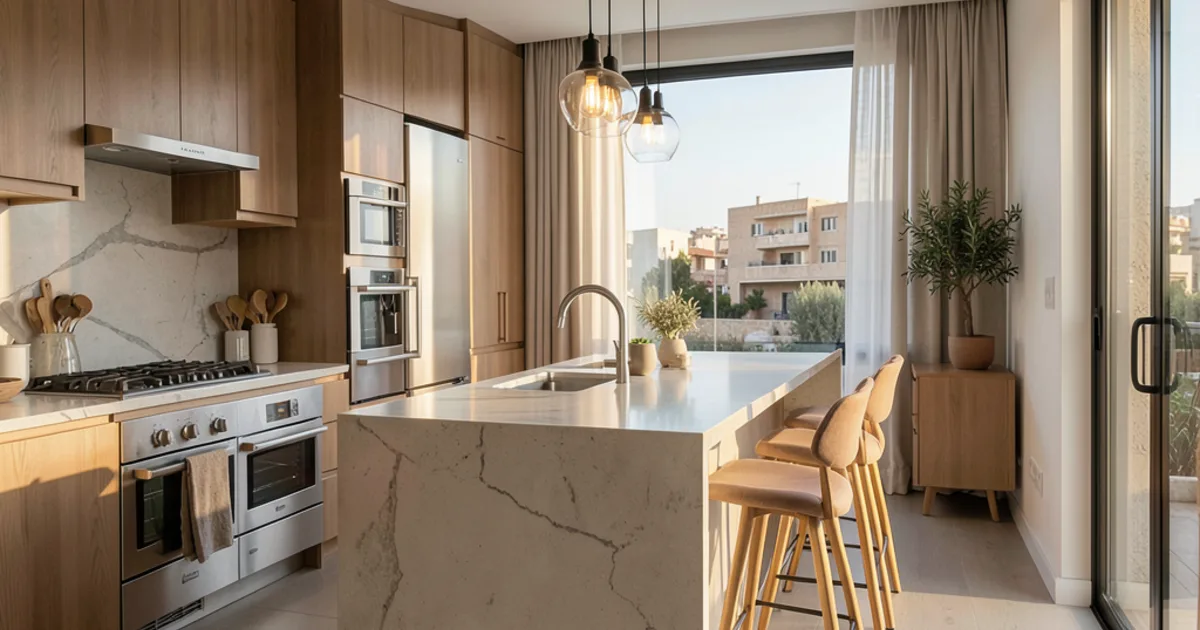
Old Jaffa, with its ancient charm, picturesque alleys, and breathtaking sea views, offers an undeniably alluring prospect for a holiday home. The idea of owning a renovated apartment here, blending historical character with modern comforts, is incredibly appealing. However, the unique nature of this location, combined with the specific characteristics of renovated properties and the Israeli real estate landscape, means that prospective international buyers must navigate a complex web of potential 'hidden' costs. This comprehensive guide from BuyPropertyIsrael aims to shed light on these often-unanticipated expenses, ensuring you approach your purchase with full awareness and financial preparedness.
- What are the initial purchase taxes and fees specific to Old Jaffa properties?
- How do renovation specifics impact long-term maintenance costs in historic Old Jaffa?
- What are the ongoing municipal taxes and utility costs for a holiday home in Old Jaffa?
- Are there specific insurance considerations and costs for a renovated holiday apartment in Old Jaffa?
- What are the potential legal and administrative fees beyond the initial purchase?
- How do property management and rental income considerations add to costs?
- What are the potential costs of currency fluctuations and international banking?
- How do capital gains tax (Mas Shevah) and inheritance laws affect future costs?
- What are the often-overlooked costs of furnishing and equipping a renovated apartment?
- Are there language and cultural barriers that translate into hidden costs?
- How does the binding memorandum (Zichron Devarim) impact initial costs and risks?
What are the initial purchase taxes and fees specific to Old Jaffa properties?
One of the most significant initial outlays, beyond the property's sticker price, is Mas Rekhisha, or purchase tax. For non-residents or those already owning property in Israel, this tax can be substantial, calculated on a sliding scale based on the property's value. While the rates are uniform across Israel, the generally higher property values in desirable locations like Old Jaffa mean the absolute amount paid can be considerable, making it a critical component of your overall budget.
Beyond the purchase tax, you will encounter various professional fees that are standard in any Israeli property transaction. These include legal fees for your attorney, who will conduct due diligence, draft contracts, and oversee the registration process. Additionally, a real estate agent's commission, typically paid by the buyer, is a common expectation. These fees, while not strictly 'hidden,' are often underestimated in their cumulative impact on the total acquisition cost, especially when dealing with the complexities of an international purchase.
It's also crucial to factor in valuation fees. Before securing a mortgage or even finalizing the purchase, an independent appraisal of the property's value is often required. This ensures that the purchase price aligns with market realities and protects both buyer and lender. While a smaller sum compared to other costs, it's another item that adds to the initial financial burden.
Finally, expect to pay for registration fees at the Tabu (Israel Land Registry). This governmental body is responsible for officially recording property ownership and any associated liens or rights. The process of transferring ownership into your name incurs a fee, which, while not exorbitant, is a mandatory part of finalizing your acquisition and should be accounted for in your financial planning.
How do renovation specifics impact long-term maintenance costs in historic Old Jaffa?
Renovated apartments in Old Jaffa, while offering modern amenities, are often housed within ancient structures. This blend can lead to unique long-term maintenance challenges and costs. The original building materials and construction techniques, while charming, may require specialized care and repair methods that are more expensive than standard modern construction. Issues like dampness, crumbling plaster, or aging infrastructure can resurface, even after a recent renovation, demanding attention.
Furthermore, the historic nature of Old Jaffa often means stringent regulations regarding exterior alterations and structural changes. Any work affecting the façade or structural integrity may require special permits from the municipality and conservation authorities, which can be a lengthy and costly process. This means that future maintenance or desired upgrades might not only be expensive but also subject to complex approvals, potentially limiting your options or increasing project timelines.
The renovation itself, if not executed to the highest standards, can also be a source of future expenses. While a property may appear pristine on the surface, underlying issues such as faulty plumbing, inadequate electrical wiring, or poor insulation might only become apparent after you've moved in. A thorough pre-purchase inspection by a qualified professional is paramount to identify these potential 'hidden' defects and estimate future repair liabilities.
Moreover, the saline air from the nearby Mediterranean Sea can accelerate wear and tear on certain materials, particularly metals and external finishes. This environmental factor mandates more frequent maintenance cycles for elements like window frames, balconies, and exterior paintwork, adding to the ongoing operational costs that might not be immediately obvious upon purchase.
What are the ongoing municipal taxes and utility costs for a holiday home in Old Jaffa?
As a property owner in Israel, you will be responsible for Arnona, the municipal property tax. This tax is levied by the local municipality (Tel Aviv-Jaffa in this case) and is calculated based on the property's size and classification. While there are sometimes discounts for primary residences, a holiday home typically does not qualify for these reductions, meaning you will pay the full rate. The amount can be significant, and it's a recurring expense that must be budgeted for annually.
Beyond Arnona, you will incur charges for various utilities, even if the property is used intermittently. These include electricity, water, and gas. While usage-dependent, there are often fixed charges or minimum fees that apply regardless of consumption. For a holiday home, ensuring these services remain active and functional throughout the year, even when unoccupied, is essential, leading to a baseline cost that persists.
Waste collection and sewage services are often integrated into Arnona or charged separately by the municipality or utility providers. These are non-negotiable costs for any property owner. Additionally, you might choose to subscribe to internet and cable television services, which, while optional, are almost a necessity for a comfortable holiday home experience and represent further recurring monthly outlays.
It's also worth noting that some buildings, particularly those with shared amenities or common areas, may have a 'Vaad Bayit' (building committee) fee. This covers the maintenance of communal spaces, such as stairwells, elevators, and building insurance. While not a direct municipal tax, it is a mandatory monthly or quarterly charge that contributes to the overall running costs of your apartment and ensures the upkeep of the shared environment.
Are there specific insurance considerations and costs for a renovated holiday apartment in Old Jaffa?
Insuring a renovated apartment in Old Jaffa requires careful consideration, as standard policies might not fully cover the unique risks associated with historic properties and their contents. You'll need comprehensive building insurance to protect against structural damage from events like fire, flood, or earthquake, which is a particular concern in older structures. The cost of this insurance can be higher due to the age of the building and the specialized materials that might be required for repair.
Beyond the building itself, contents insurance is crucial, especially if your holiday home contains valuable furnishings, art, or personal belongings. For international owners, ensuring that the policy provides adequate coverage, even when the property is unoccupied for extended periods, is essential. Some policies might have clauses for unoccupied properties that limit coverage or require specific security measures, which could incur additional costs.
Liability insurance is another important component, protecting you as the owner against claims from third parties who might be injured on your property. This is particularly relevant if you plan to rent out your holiday home, even occasionally. The unique layout of Old Jaffa's buildings, with sometimes uneven surfaces or steep stairs, could present additional liability considerations that influence insurance premiums.
Finally, due to the historic nature and potential for unique issues in Old Jaffa properties, you might consider specialized policies or endorsements. For instance, coverage for unforeseen structural issues that predate your ownership but only become apparent later, or insurance against damage from archaeological finds during repairs, although rare, could be a factor. Consulting with an insurance broker experienced in the Israeli market and historic properties is highly recommended to ensure adequate and cost-effective coverage.
What are the potential legal and administrative fees beyond the initial purchase?
Even after the initial purchase, legal and administrative fees can continue to accrue, particularly for international owners managing a property from afar. For instance, if you require power of attorney for someone to manage your property or bank accounts in Israel, drafting and notarizing such documents will incur legal fees. This is often a necessity for handling ongoing matters without constant travel.
Should any disputes arise, whether with neighbors, the building committee, or contractors, engaging legal counsel will naturally lead to further expenses. While hopefully avoidable, having a local legal representative familiar with Israeli property law is a prudent measure, and their retainer or hourly fees should be considered a potential, albeit unwelcome, cost.
Furthermore, managing a bank account in Israel for property-related expenses, especially an international one, can sometimes involve bank charges for foreign currency conversions or international transfers. While not strictly legal fees, they are administrative costs associated with cross-border property ownership and financial management that can eat into your budget over time.
Finally, if you decide to rent out your holiday home, even for short periods, there are additional administrative burdens and potential costs. This could include fees for drafting rental agreements, obtaining necessary permits (if applicable for short-term rentals in your specific area), and potentially engaging a property management company. These services, while beneficial, come with their own set of charges that extend beyond the initial purchase.
How do property management and rental income considerations add to costs?
For many international buyers, particularly those using their Old Jaffa apartment as a holiday home, engaging a property management company is almost essential. These companies handle everything from key handover and cleaning to maintenance issues and tenant communications. Their fees, typically a percentage of rental income or a fixed monthly charge, can be substantial but often provide invaluable peace of mind and efficient operation of your property.
If you plan to generate rental income, you must also be aware of the tax implications in Israel. Rental income is subject to Israeli income tax, and while there may be certain exemptions or deductions, understanding your obligations and potentially engaging an Israeli accountant is crucial. This professional service will incur fees but ensures compliance with local tax laws and optimizes your financial returns.
Marketing and advertising costs for your holiday rental are another often-overlooked expense. Listing your property on popular vacation rental platforms, professional photography, and potentially even creating a dedicated website all contribute to the overall cost of attracting guests. While these are investments aimed at generating income, they are still upfront expenses that need to be budgeted for.
Finally, the turnover costs between rentals, such as professional cleaning, restocking supplies, and minor repairs from guest wear and tear, add up over time. While these are part of the business of renting, they directly impact your net income and should be factored into your financial projections. Effective management, whether personal or through a professional company, is key to minimizing these ongoing operational expenses.
What are the potential costs of currency fluctuations and international banking?
For international buyers, currency exchange rates are a constant factor that can significantly impact the total cost of your investment. Fluctuations between your home currency and the Israeli Shekel (ILS) can make a property appear more or less expensive depending on the timing of your transfers. A seemingly small shift in the exchange rate can translate into a substantial difference when dealing with large property sums, affecting both your initial purchase price and ongoing expenses.
International bank transfers, while commonplace, often come with associated fees. These can include transfer fees charged by your sending bank, receiving bank fees, and potentially intermediary bank charges. While individual fees might seem minor, they can add up, especially if you are making multiple transfers for the down payment, closing costs, and subsequent maintenance or utility payments.
Furthermore, the 'spread' on exchange rates offered by banks and currency exchange services can vary widely. This difference between the buy and sell rate effectively acts as another hidden cost. Not all services offer the same competitive rates, and choosing a less favorable provider can mean losing a significant amount of money over the course of your property ownership.
Consider also the implications for receiving rental income in Shekels if you plan to repatriate funds to your home country. Each conversion back to your local currency will again be subject to exchange rates and transfer fees. Strategic planning and potentially using specialized foreign exchange services can help mitigate these costs, but they are an unavoidable aspect of managing an international asset.
How do capital gains tax (Mas Shevah) and inheritance laws affect future costs?
While not an immediate 'hidden cost' of purchase, understanding Mas Shevah, Israel's capital gains tax, is crucial for long-term financial planning. If you decide to sell your Old Jaffa holiday home in the future, any profit made from the sale will generally be subject to this tax. While there are exemptions for primary residences under certain conditions, a holiday home typically would not qualify, making it a significant future financial consideration.
The calculation of Mas Shevah can be complex, taking into account the purchase price, sale price, inflation adjustments, and certain deductible expenses like renovation costs or legal fees incurred during the sale. Proper record-keeping of all property-related expenditures is therefore essential to minimize your tax liability when the time comes to sell. Ignoring this potential future cost can lead to a substantial reduction in your net profit.
Inheritance laws in Israel also have implications for foreign owners. While there is currently no inheritance tax in Israel, international owners must consider how their property will be handled under both Israeli and their home country's succession laws. Navigating these complexities often requires legal advice, which, while an expense, is vital to ensure your wishes are respected and to avoid potential disputes or lengthy legal processes for your heirs.
Planning for the future, including potential sale or inheritance, from the outset is a proactive step that can save significant costs and complications down the line. Consulting with an Israeli tax advisor and an estate planning attorney specializing in international assets is highly recommended to fully understand these long-term financial implications and structure your ownership in the most advantageous way.
What are the often-overlooked costs of furnishing and equipping a renovated apartment?
While a renovated apartment might seem ready to move into, the costs of furnishing and equipping a holiday home from scratch can be substantial and often underestimated. Beyond the major furniture pieces, you'll need to account for everything from kitchen appliances, crockery, and cutlery to linens, towels, and decorative items. These 'small' purchases quickly accumulate, particularly when aiming for a comfortable and aesthetically pleasing holiday experience.
Shipping furniture and goods from abroad can be incredibly expensive and fraught with logistical challenges, including customs duties and import taxes in Israel. Many international buyers opt to purchase items locally, but even then, delivery, assembly, and installation fees can add to the overall expense. It's not just the item's price but the cost of getting it ready for use in your apartment.
Consider also the ongoing costs of stocking and replenishing your holiday home. For instance, if you plan to offer it as a rental, you'll need to regularly replace consumables like toiletries, cleaning supplies, and basic pantry items. Even for personal use, maintaining a fully stocked holiday home requires periodic purchases that contribute to the overall running expenses.
Finally, for a 'renovated' apartment, there might be a temptation to upgrade certain fixtures or fittings to better suit your personal taste or rental market expectations. While not strictly necessary, these 'finishing touches', new lighting, custom window treatments, or smart home technology, can significantly inflate your initial setup budget beyond the basic renovation costs, highlighting the importance of a detailed furnishing plan.
Are there language and cultural barriers that translate into hidden costs?
Navigating the Israeli real estate market, legal system, and daily life can present significant language barriers for non-Hebrew speakers, which can indirectly translate into hidden costs. Misunderstandings due to language differences can lead to errors in contracts, missed deadlines, or incorrect payments, all of which can incur financial penalties or require costly legal intervention to rectify. Relying solely on translation apps is often insufficient for complex transactions.
Engaging professional translators and interpreters, particularly for legal documents, official communications, and important meetings, is a crucial expense that should be budgeted for. While seemingly an extra cost, it is an investment that minimizes risks associated with miscommunication and ensures you fully comprehend all aspects of your purchase and ongoing responsibilities. Their expertise is invaluable in preventing costly mistakes.
Cultural nuances also play a role. The way business is conducted, expectations regarding negotiations, and even daily interactions with service providers can differ from what you are accustomed to. A lack of understanding of these cultural aspects can lead to less favorable outcomes, whether in negotiating a price, resolving a dispute, or simply getting things done efficiently. This can indirectly cost you time and money.
For example, understanding local customs regarding contractor quotes, service expectations, or even the process for obtaining municipal permits requires a degree of cultural immersion or expert guidance. Without it, you might find yourself paying more for services, experiencing delays, or facing bureaucratic hurdles that a local or an experienced advisor could navigate more efficiently, saving you both frustration and unexpected expenses.
How does the binding memorandum (Zichron Devarim) impact initial costs and risks?
The 'Zichron Devarim' or binding memorandum of understanding is a uniquely Israeli legal instrument often used in property transactions. While it can appear to streamline the initial stages of a purchase, it is a legally binding document that can carry significant risks and hidden costs if not approached with extreme caution. It essentially commits both parties to the sale, even before the comprehensive purchase agreement is drafted, and withdrawing from it can incur penalties.
Signing a Zichron Devarim without prior legal review by your Israeli attorney is highly inadvisable. While it might seem like a quick way to secure a property, especially in a competitive market like Old Jaffa, it can bind you to terms that have not been thoroughly vetted. The cost of legal advice at this preliminary stage is an essential investment to ensure the memorandum protects your interests and doesn't contain unfavorable clauses that could lead to future financial liabilities.
Should either party breach the terms of the Zichron Devarim, the non-breaching party is often entitled to significant compensation, sometimes a predetermined penalty clause. This means that if you sign it prematurely and then uncover issues during due diligence that make you want to withdraw, you could be liable for a substantial sum. This potential penalty is a major 'hidden cost' that arises from insufficient initial legal scrutiny.
Therefore, while it may seem like a shortcut, treating the Zichron Devarim with the same gravity as a full purchase agreement is paramount. The cost of thorough legal review at this stage is a preventative measure against potentially much larger financial losses down the line. Insist on having your lawyer review or even draft this document, ensuring it includes necessary escape clauses or conditions precedent before you commit.
FAQ
Is it possible to get a mortgage (Mashkanta) for a holiday home in Old Jaffa as a non-resident?
Yes, it is generally possible for non-residents to obtain a Mashkanta (mortgage) in Israel, but the terms and conditions may be stricter than for residents. Lenders will typically require a higher down payment and may scrutinize your financial history more closely. It's advisable to consult with an Israeli mortgage broker specializing in non-resident financing early in your search.
What is the average timescale for completing a property purchase in Old Jaffa for an international buyer?
The timescale can vary significantly but typically ranges from a few months to half a year or more. Factors influencing this include the complexity of the property's registration at Tabu, the efficiency of legal processes, and the responsiveness of all parties involved. International transfers and coordination across different time zones can also extend the process.
Are there any special considerations for properties located within the Old Jaffa historical preservation zone?
Absolutely. Properties within the historical preservation zone are subject to strict regulations concerning renovations, alterations, and even exterior paint colors. Any work typically requires approval from the Tel Aviv-Jaffa Municipality's conservation department, which can add significant time and cost to projects. Your architect and lawyer must be familiar with these specific requirements.
What immediate steps should an international buyer take to mitigate hidden costs?
The most crucial immediate steps are to engage an experienced Israeli real estate attorney and a reputable real estate agent who specialize in Old Jaffa properties and international clients. Additionally, secure pre-approval for financing if needed, and conduct thorough due diligence, including a professional property inspection, before signing any binding agreements like a Zichron Devarim.
Get your personalised shortlist
Listings and up-to-date info, straight to your inbox, free, no obligation.
Get my shortlist →